
Black women have been innovators and creative directors of hair styles and looks for many many years but I wanted to highlight just a portion of that for Black History Month. To me hair is self expression, it’s been a passion of mine since a little girl and this project was near and dear to me. I did lots of research and recreated my favorite styles of the past 100 decades so lets get into it!
1920s
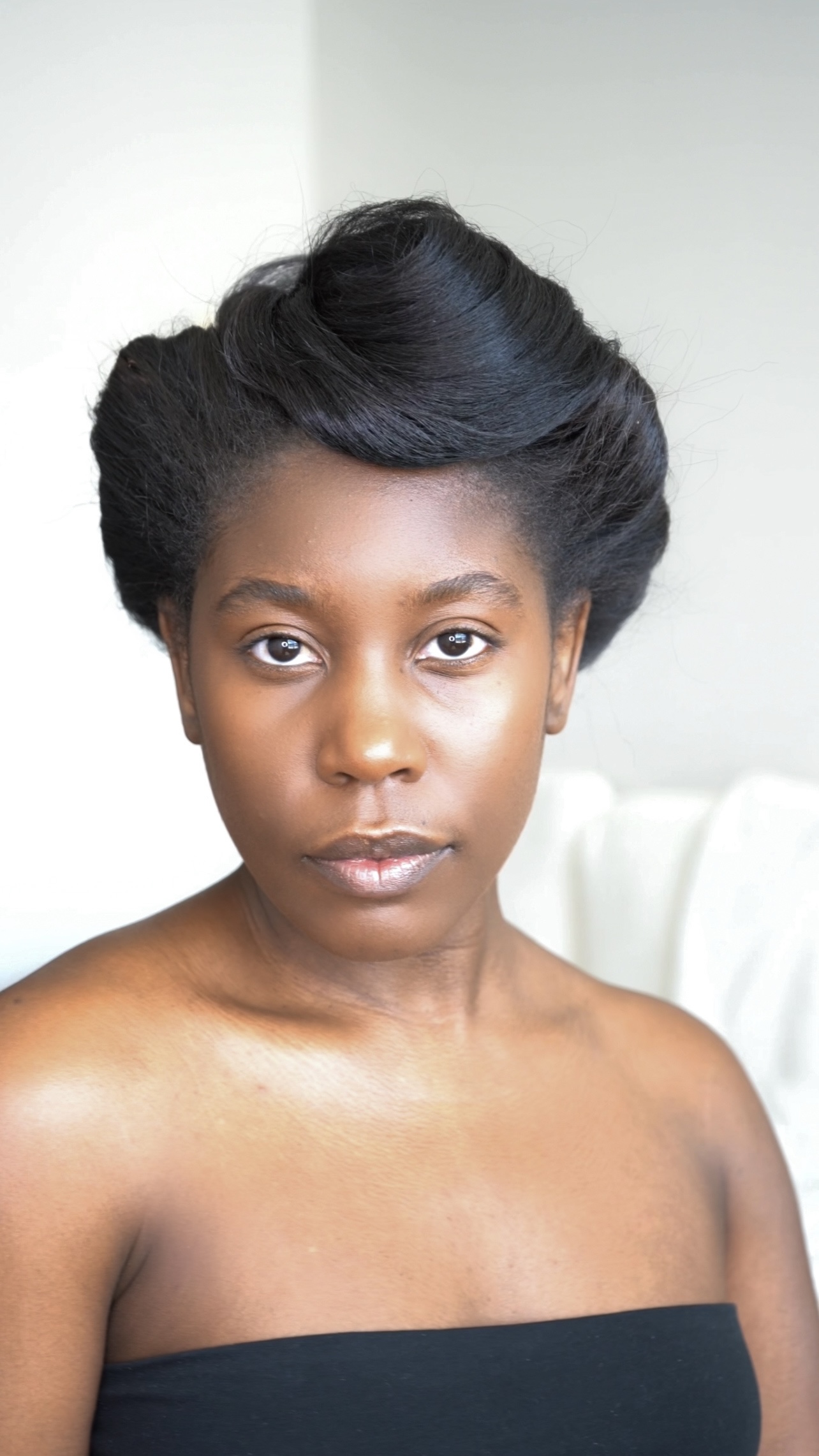

In the 1920s black women were truly coming into their own! They fought for voting rights and other freedoms during this time and lets just say the girls were taking care of business. They would often wear sleek updo styles to show they were of status. This style symbolizes the time and the strength of black women.
1930s

Finger waves, loose curls, deep waves, and water waves were the it girl style in the 1930s. This era gave a more feminine approach to hair and the over all look. Head pieces were popular and often seen on Josephine Bakers, Billie Holiday, Bessie Smith and many more!
1940s
Pin up styles were all the craze in the 1940s! Hollywood glam heavily influenced the girls in the 40s and they made art with curls fused with elegance.

1950s

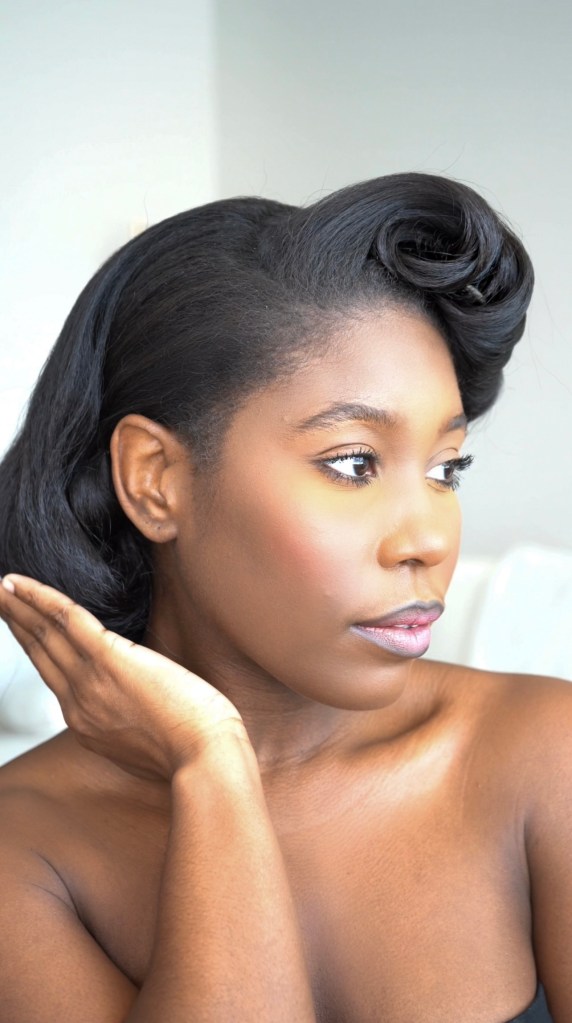
From victory rolls to chignon the girls had it! The 1950s is also when the first sew in weave process was created by Christina Jenkins. During this time there were also two types of black women, the women who wore their hair straight and sleek and the women who went against society standards are wore a fro!
1960

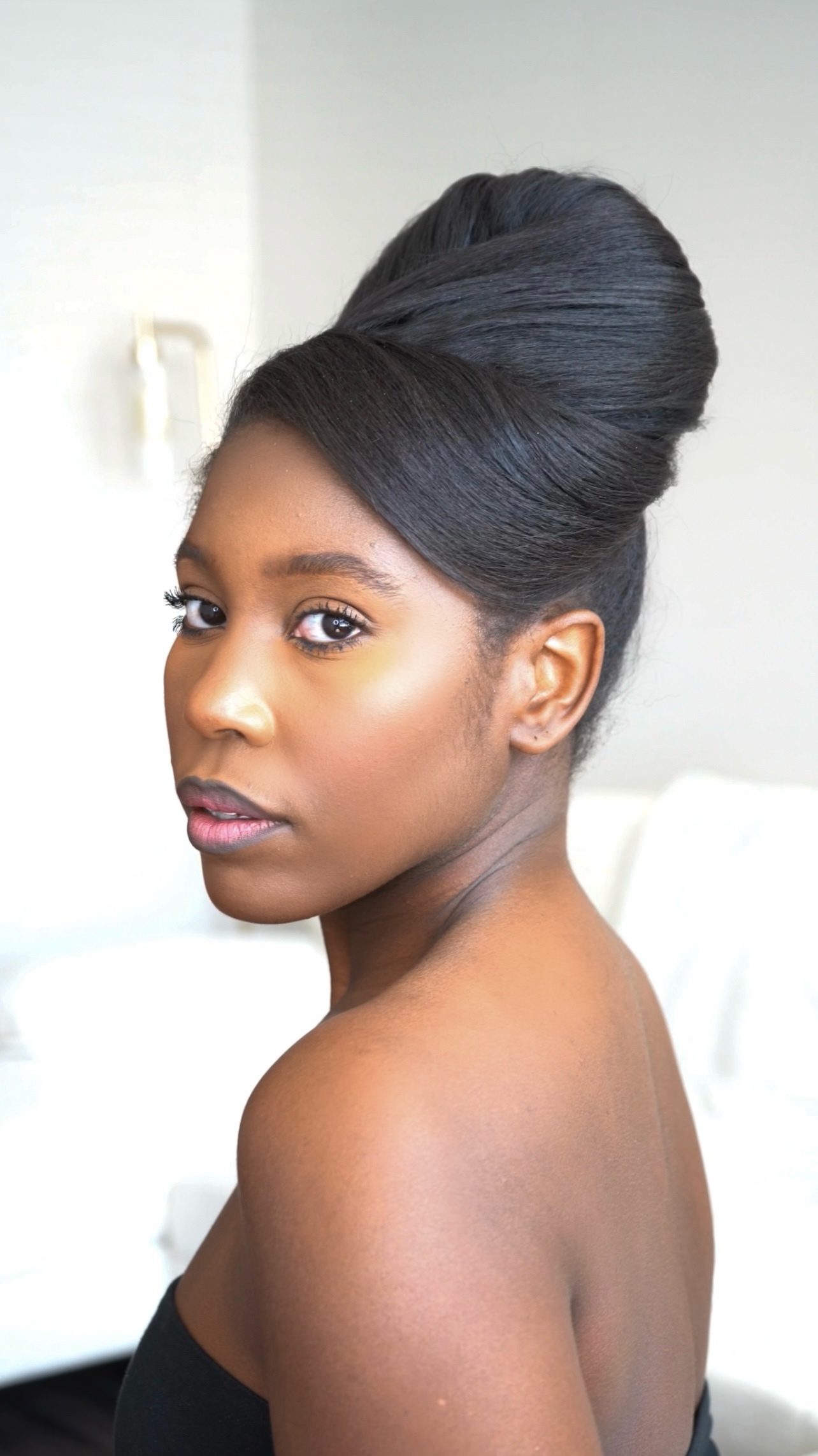
Volume and height was truly the name of the game in the 60s! The teased hair and the high humps gave women and elongated and feminine look that could turn heads instantly! I specifically pulled this look from one of my favorite movies, The Dream Girls, which was loosely based on a 1960s girl group known as the Supremes.
1970s
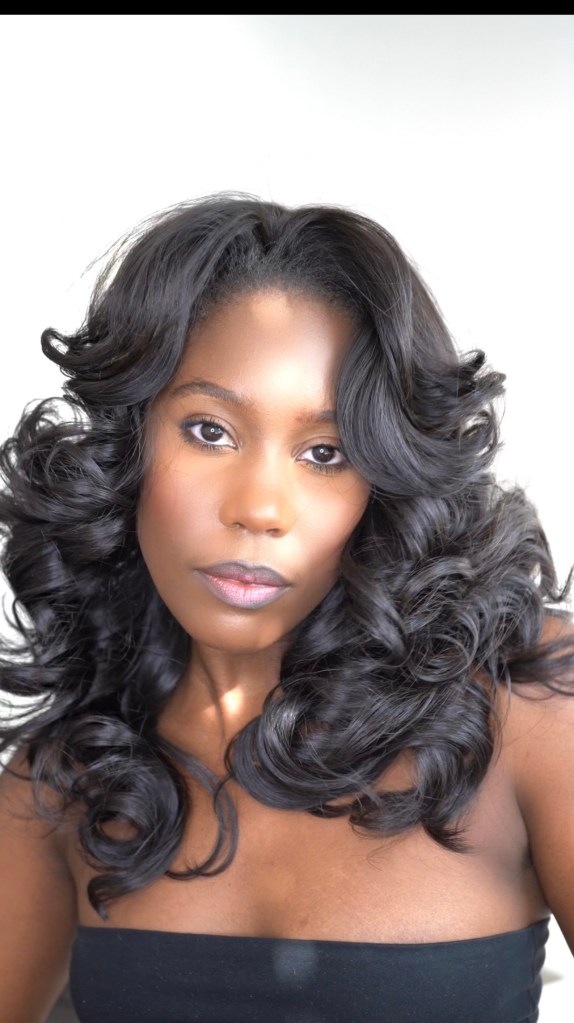
Big curls, afros, and voluminous hair took the 70s by storm. Donna Summers was the influence behind this look!
1980s
Hiphop and music had a strong influence on the hairstyles in the 80s. Salt-N-Pepa and my mom influenced this angled short cut look. The asymmetrical bobs, the angels, and edgy looks truly were the cool girl style!
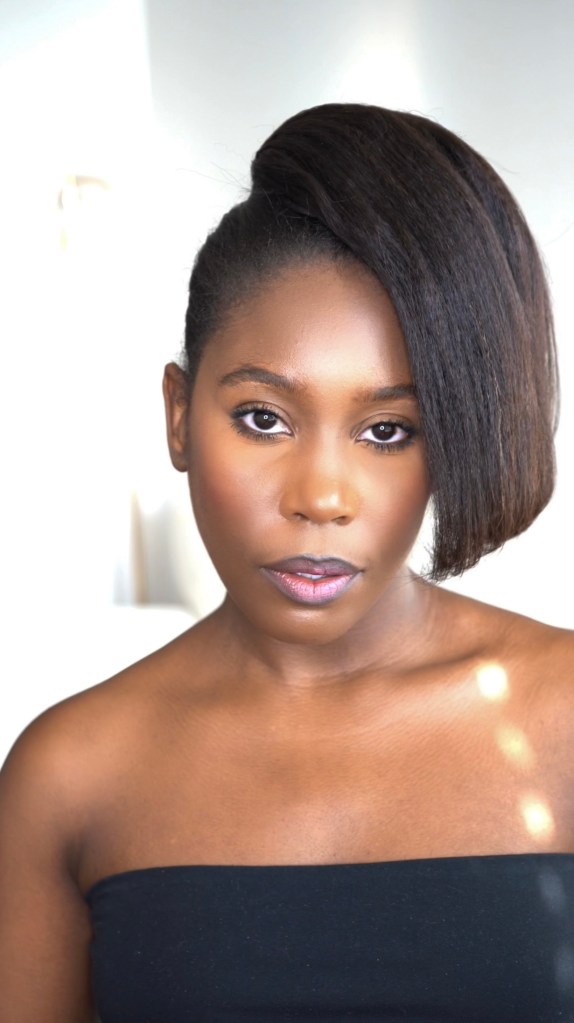
1990s

The girls took the updo styles to a whole new level in the 90s! I remember looking in the old magazines and seeing these styles and thinking they were truly undefeated! Twist, braids, pin curls, and nubian knots were all incorporated into one style and to me, was a true masterpiece, organized chaos if you will!
2000s

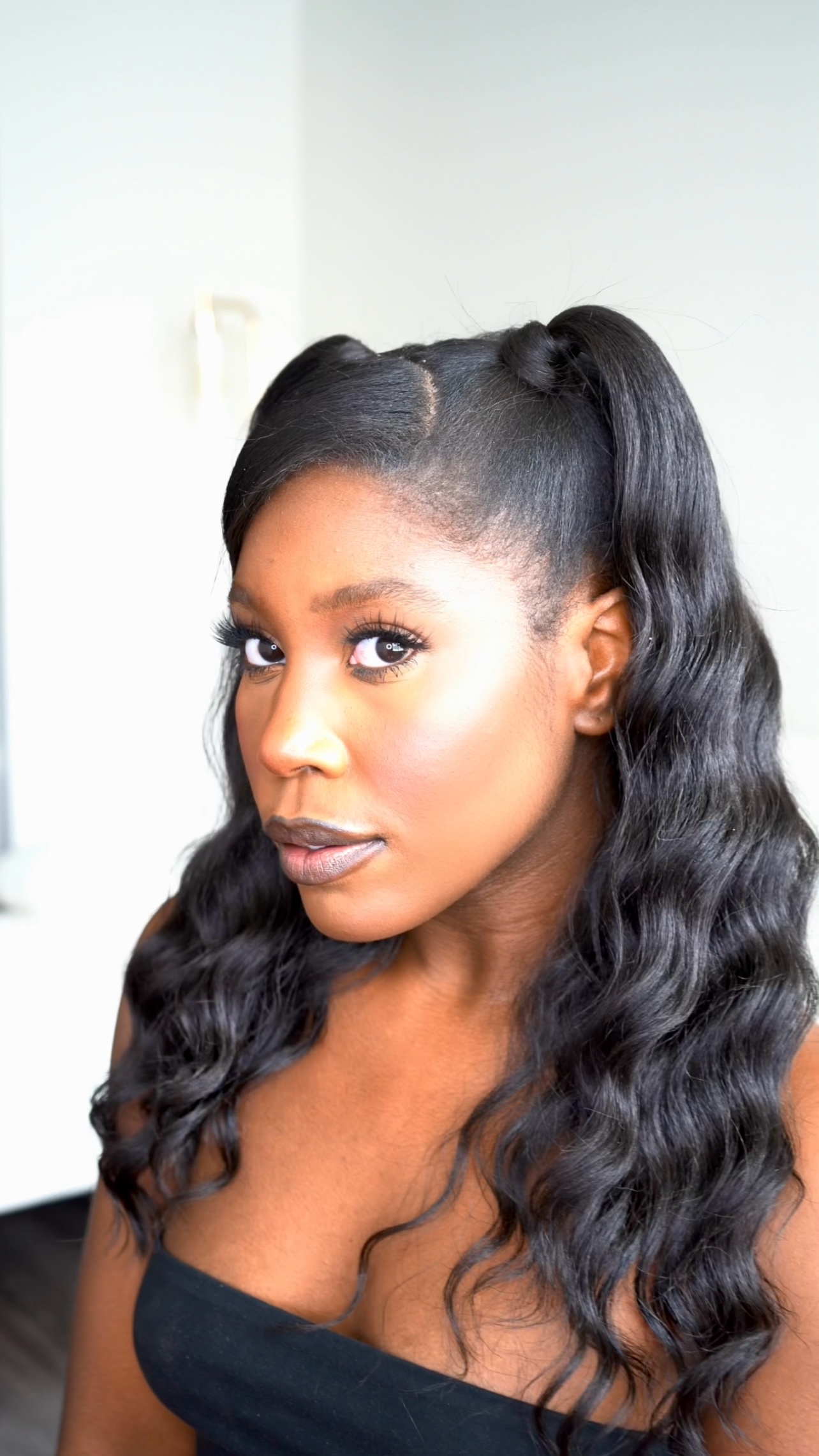
The 2000s high pigtail moment was a look! Things like zigzag parts, flipped up hair, spiky buns, and micro braids were all apart of an era better known Y2K. The black girls were truly trendsetters as these styles swept the nation!
2010s
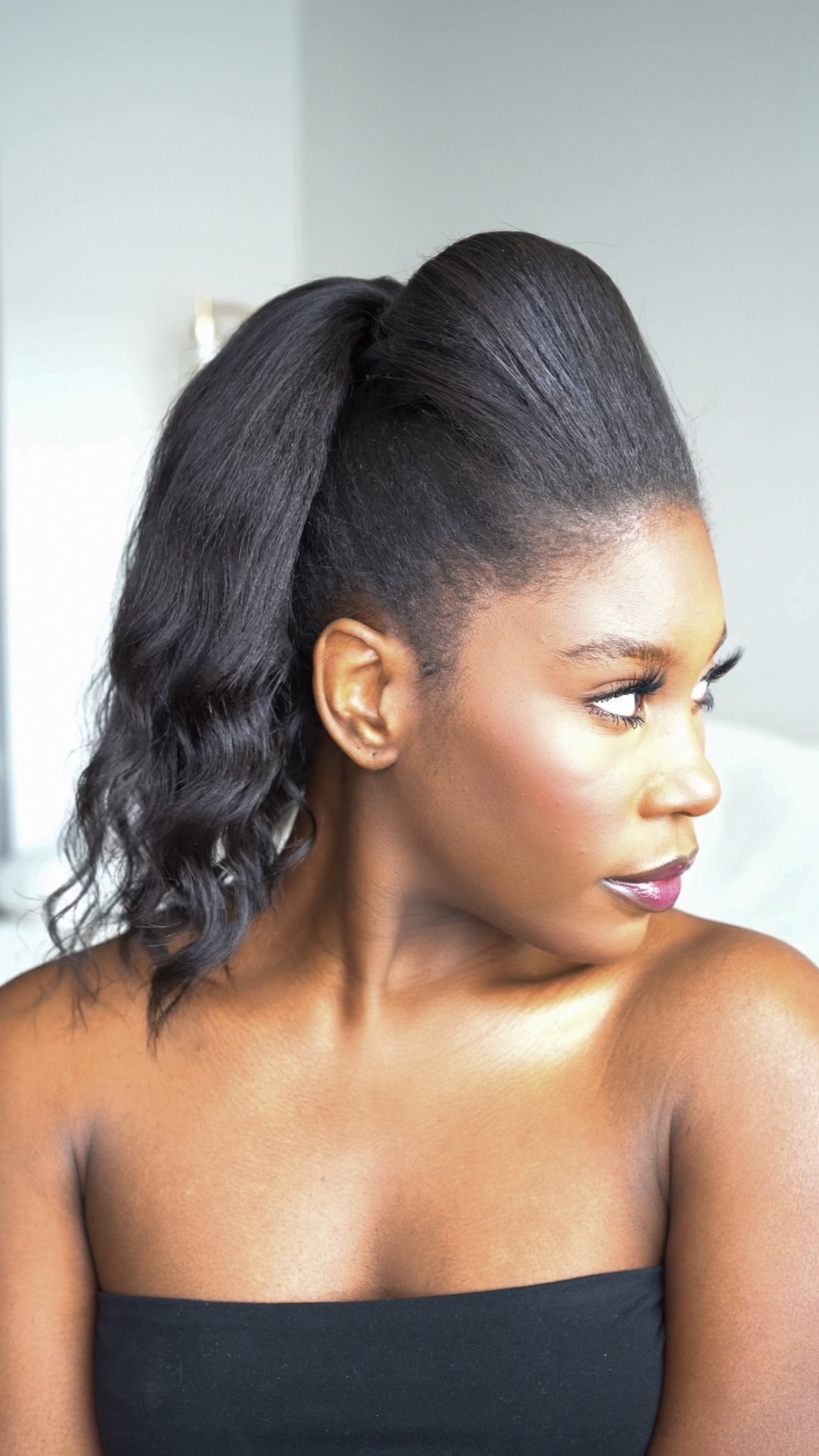

The hump or “Pouf” was a trendy popular hairstyle in the early 2010s. You would often see this style on super stars like Beyonce, Tyra Banks, and Jennifer Lopez to name a few.
2020s
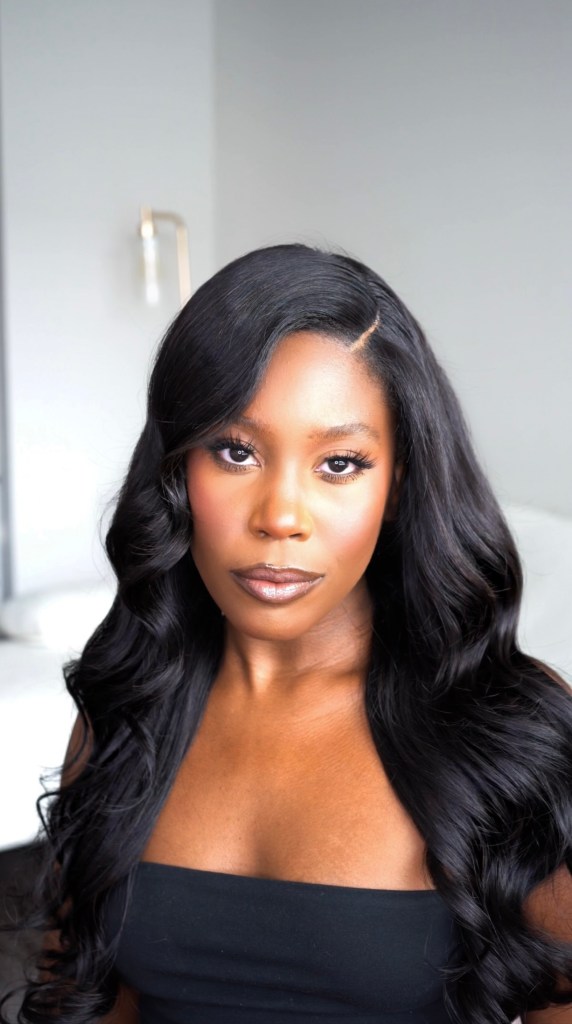
The 2020’s, the current decade were living in, I’ve seen a shift to bundles, protective styles, wigs and weaves. Furthermore, Black women’s hair in the 2020s reflects both a continuation and evolution of the ongoing journey toward embracing natural textures, challenging beauty standards, and reclaiming cultural identity. Black women were going natural, wearing protective styles and truly doing what was best for them at the moment. The 2020s also marked significant progress in the fight for legal protections related to hair discrimination. The CROWN Act (Creating a Respectful and Open World for Natural Hair) became law in various U.S. states, aiming to protect individuals from discrimination based on their natural hairstyles, like afros, braids, and locs. This was a direct response to workplace and school policies that unfairly penalized Black hair.
Braids, twists, locs, and wigs became more mainstream in fashion and beauty industries. These styles were no longer seen as temporary or solely for cultural events but as everyday expressions of identity. Wigs, in particular, gained significant popularity, not just for Black women, but also among others who embraced the diversity they brought to personal style.
The 2020s also saw a boom in the natural hair care industry, with more products specifically formulated for Black women’s textured hair. Brands focused on catering to the needs of curly, coily, and kinky hair, promoting healthy, nurturing products that avoided harsh chemicals. This shift reflected a desire to prioritize hair health over conforming to traditional beauty standards of straight hair.
Overall, Black women’s hair in the 2020s became a key marker of empowerment, individuality, and cultural pride, with increasing acceptance and representation in both mainstream and niche beauty spaces
Knowing where we came from and where we are going is so important in the black community, especially for women. We are the standard, we are the mold, we are the blueprint, and forever will be!
I Hope you’ve enjoyed, until next time.
-Do what you love, love what you do.
Discover more from BriannaRashay
Subscribe to get the latest posts sent to your email.
 BriannaRashay